
15 Sports Sponsorship Ideas for Clubs and Teams in the UK
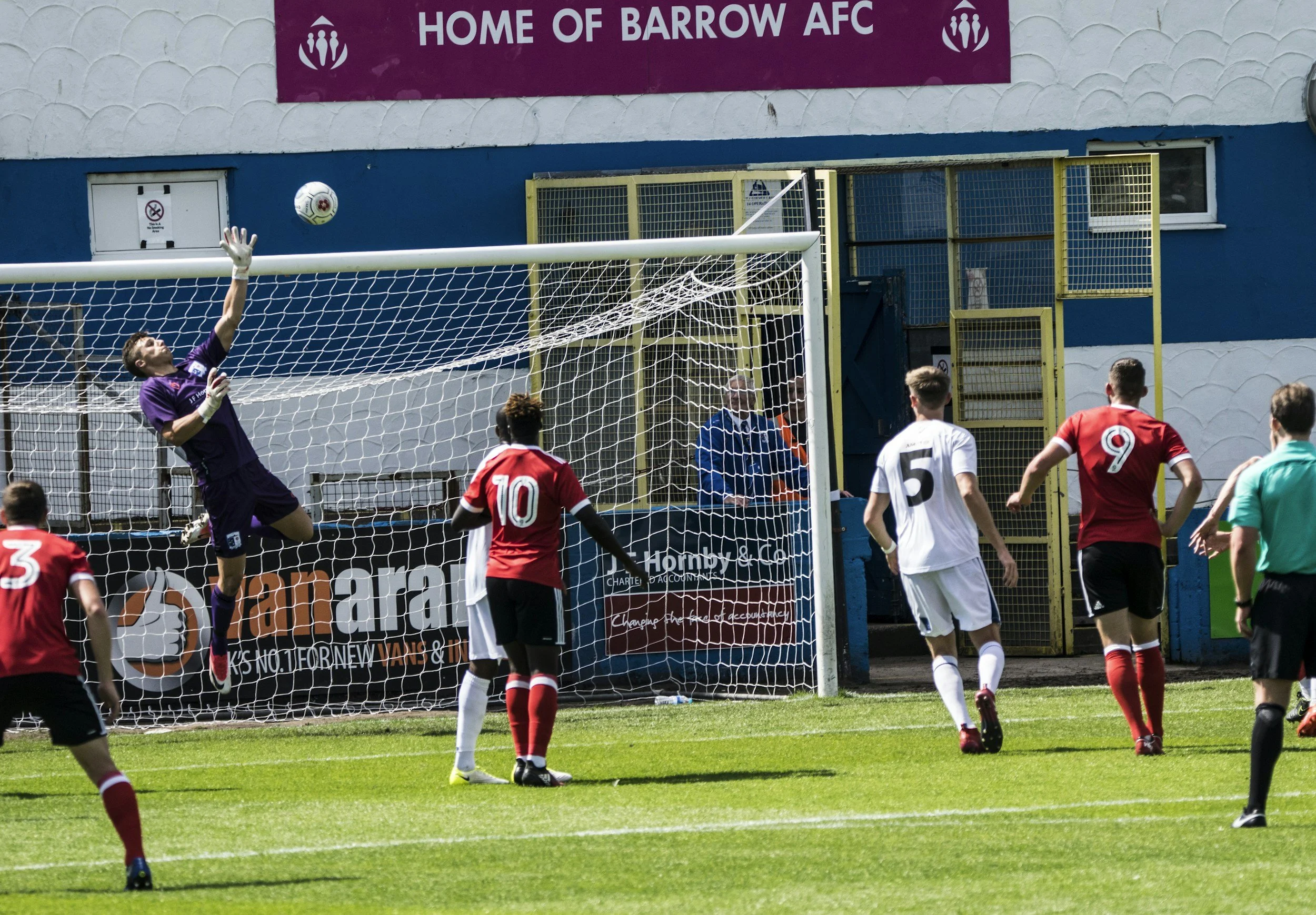
Most clubs think sponsorship is about asking local businesses for money. It isn't. The clubs that win sponsors offer something in return, and they make it easy to say yes. These sports sponsorship ideas are the same ones I use with the clubs and teams I work with.
What this guide covers
Why sponsorship is really an exchange
Here is the bit most clubs get wrong. They treat sponsorship like a donation. They send a long email asking for money and hope someone feels generous.
A sponsor isn't a donor. They want something back, usually exposure to your members, your crowd, and your local community. Once you see sponsorship as a fair swap, everything gets easier. You stop begging and start offering.
1. Shirt and kit sponsorship
The classic for a reason. A local business pays to put their logo on your shirts, and every match, training session and team photo becomes free advertising for them. Front of shirt is your premium slot. Sleeves, shorts and training kit are lower-cost options that let you sign more than one sponsor.
2. Matchday and event sponsorship
Let a business sponsor a single fixture or your whole season. They get announcements, a pitchside banner, a social media shout-out and a mention in the programme. Small businesses love this because it's affordable and local.
The 15 sports sponsorship ideas
1. Shirt and kit sponsorship
The classic, and it's a classic for a reason.
A local business pays to put their logo on your shirts. Every match, every training session, every team photo and every proud parent's snap becomes free advertising for them. Front of shirt is your premium slot and should carry the highest price. Sleeves, shorts, socks and training kit are lower-cost options that let you sign more than one sponsor across the same squad.
Tip: offer a multi-season deal at a small discount. A business that commits for three years gives you stability, and they get their brand embedded with your club for the long haul.
2. Matchday or event sponsorship
Let a business sponsor a single fixture, a tournament or your whole season.
In return they get a pitchside announcement, a banner, a social media shout-out, a mention in the programme and maybe a few tickets or hospitality spots. Small businesses love this because it's affordable and visibly local. You can run a different matchday sponsor every home game, which means you're not relying on one big cheque.
3. Pitchside and ground advertising boards
If you own or lease your ground, the perimeter is prime real estate.
Advertising boards around the pitch are seen by every spectator, every visiting team and anyone watching clips on social media. Sell them as annual packages. A board that costs you 50 quid to print can bring in several hundred a year, and once it's up, it keeps earning with zero extra effort.
4. Social media and content sponsorship
This is where a lot of clubs are leaving money on the table.
If your club posts match highlights, player interviews or behind-the-scenes content, a sponsor can pay to be attached to it. Think 'Match highlights, brought to you by [local business]' or a logo on your YouTube thumbnails and Instagram reels. Digital exposure is measurable, and businesses increasingly want it more than a banner nobody photographs.
If your content is weak, this is the area worth fixing first. Strong social media makes every other sponsorship idea on this list easier to sell.
5. Training kit and warm-up wear
Your first team shirt gets the glory, but training kit gets worn far more often.
Players turn up in it, warm up in it, travel in it and post photos in it. A separate training-wear sponsor is an easy second deal, and because it feels lower profile, it's an easy yes for a smaller business with a tighter budget.
6. Player or position sponsorship
Let supporters and local businesses sponsor an individual player for the season.
Their name or logo gets linked to that player across your website and socials. Fans love sponsoring their favourite, parents often sponsor their own kids, and local firms enjoy backing a standout. It's a simple way to turn one big sponsorship ask into 20 smaller, easier ones.
7. Stand, stadium or facility naming rights
You don't need to be a Premier League club to sell naming rights.
A clubhouse, a stand, a function room, even a single pitch can carry a sponsor's name. 'The [Business Name] Stand' or 'The [Business Name] Clubhouse' gives a local company serious visibility and a sense of ownership in the club. These tend to be your highest-value deals, so save them for businesses ready to commit properly.
8. Programme and matchday print advertising
Matchday programmes, fixture cards and yearbooks still work, especially with an older supporter base.
Sell ad space at different sizes and prices. A back cover costs more than a quarter page. It's a low-effort way to pull in several small sponsors at once, and it gives local businesses something physical to point to.
9. Website and digital advertising
Your club website gets visitors all week, not just on matchday.
Banner spots, a sponsors page with logos and links, or a 'sponsored by' line in your fixtures section all carry value. If your site gets decent traffic, that's an asset you can sell. And linking out to a sponsor's website gives them a small SEO benefit too, which is a nice extra to mention when you pitch.
10. Event and tournament title sponsorship
Running a summer tournament, a charity day, a presentation night or a quiz?
Offer a title sponsor the headline slot. 'The [Business Name] Summer Cup' puts their brand front and centre on every poster, ticket, social post and bit of press coverage. Events draw families and the wider community, so the reach is bigger than a normal matchday.
11. Product and service sponsorship (sponsorship in kind)
Not every sponsor has to hand over cash.
A local sports shop might supply kit. A physio might offer treatment for injured players. A café might provide post-match food. A printer might cover your banners and programmes. Sponsorship in kind saves you real money and gives the business a genuine, ongoing link to the club. Value these deals properly and treat them with the same respect as a cash sponsor.
12. Youth and academy sponsorship
If you run junior or academy sides, that's a powerful sell.
Businesses love being seen to invest in young people and grassroots development. Sponsoring a youth team, a coaching programme or a kit fund for kids who can't afford it is good marketing and good PR for them, and it builds loyalty with all those parents who'll remember who backed their child's team.
13. Hospitality and matchday experience packages
If you've got the facilities, sell the experience.
Offer businesses a matchday package: tickets, food and drink, a reserved area and a mention over the tannoy. They get to entertain their own clients or staff while supporting the club. You turn your clubhouse into a revenue stream, and the sponsor gets a day out with their name attached.
14. Community and charity partnership
Pair up with a business around a shared cause.
A community day, a charity match, a food bank collection or a local school programme gives a sponsor a reason to get involved that goes beyond logos. This works brilliantly because it's authentic. Modern customers want to see businesses doing real good locally, and your club is the perfect vehicle for that.
15. Long-term brand partnership
The goal you're building towards.
Instead of a one-off deal, you create an ongoing partnership where a business becomes 'the official [category] partner' of your club across several seasons. They get consistent exposure, you get reliable income, and both sides build something that actually means something. Every idea above is a step towards this. Land a few sponsors, look after them properly, and the long-term partnerships follow.
How to package your sponsorship so businesses say yes
Ideas are easy. Getting the yes is where clubs fall down.
The fix is a simple sponsorship package. One clear document, ideally a tidy PDF, that shows a business exactly what they get and what it costs. Include who your club is, how many members and followers you have, your matchday attendance, your social media reach and a few photos that make you look like a serious outfit.
Then lay out your sponsorship tiers. Something like bronze, silver and gold, each with a clear list of what's included and a price. People find it far easier to choose between options than to be asked an open question like 'how much do you want to give us'.
Put real numbers in there. If your Instagram gets 2,000 views a post, say so. If 150 people watch every home game, say so. Evidence makes the value real. Without it, you're just asking them to take your word for it.
How to approach local businesses without sounding desperate
This is the part people dread, so let me keep it simple.
Start with businesses that already have a reason to care. Parents who run companies. Local firms whose customers are exactly your members. Businesses that have sponsored sport before. Warm leads beat cold ones every time.
Lead with what's in it for them, not what you need. 'We've got 200 local families through our club every week and I think there's a great fit with your business' lands far better than 'we're looking for sponsors'.
Meet in person or pick up the phone where you can. Sponsorship is built on relationships, and a five-minute chat does more than a 500-word email. And once someone says yes, look after them. Send photos of their logo in action, tag them online, thank them publicly. A sponsor who feels valued renews. A sponsor who feels forgotten doesn't.
That last point matters more than any clever pitch. The easiest sponsor to sign is the one you already have.
Make your club look the part first
Here's something I see all the time.
A club chases sponsors while its website looks like it was built in 2010 and its social media hasn't been touched in a month. Then they wonder why businesses aren't biting.
Sponsors are buying exposure through your brand. If your brand looks tired, you're a harder sell, and you can charge less. On the other hand, a club with a sharp website, strong content and an active social presence can charge more and close deals faster, because the value is obvious before you've even said a word.
That's the work we do at Kreate Media. We help sports clubs and teams look professional online so the marketing, including sponsorship, actually works. If that's the bit you're missing, it's worth fixing before your next sponsorship push. You can see how we help as a sports marketing agency and how the right sports website design turns visitors into enquiries.
Not sure what's holding your club's marketing back?
Get a free, personalised Sports Marketing Growth Audit.
Send us your website and socials and we'll show you exactly what to fix first. Get your free audit.
GET MY FREE AUDIT
Sponsorship money works hardest when your club looks the part online. See how we help clubs grow as a sports marketing agency, or get the full picture on sports website design.
Sports sponsorship ideas: FAQs
-
You don't need a huge audience. Local businesses care about local visibility, not vanity metrics. Lead with your community reach, your matchday crowd, your member numbers and the families connected to your club. A grassroots side with 200 engaged local families is a genuinely attractive package for the right business.
-
Exposure and goodwill. Logo placement on kit, banners and online, social media shout-outs, event branding, and a genuine connection to the local community they want to reach. The more clearly you can show that exposure with real numbers, the more you can charge.
-
It depends on what you offer and your reach. Most grassroots clubs price shirt sponsorship from a few hundred pounds a season, with tiered packages going up from there for naming rights, season-long deals and hospitality. Price by the value of the exposure, not by what you think they'll feel like giving.
-
Keep it to one clear document. Cover who your club is, your reach in numbers, what the sponsor gets at each price tier, and a few strong photos. Make it easy to choose an option and easy to say yes. Avoid long, vague emails asking for money with no clear offer.
-
Yes. Sponsorship in kind is common and valuable. A printer covering your banners, a physio treating injured players, a café providing match food or a shop supplying kit all count. It saves the club money and gives the business a real, ongoing connection.
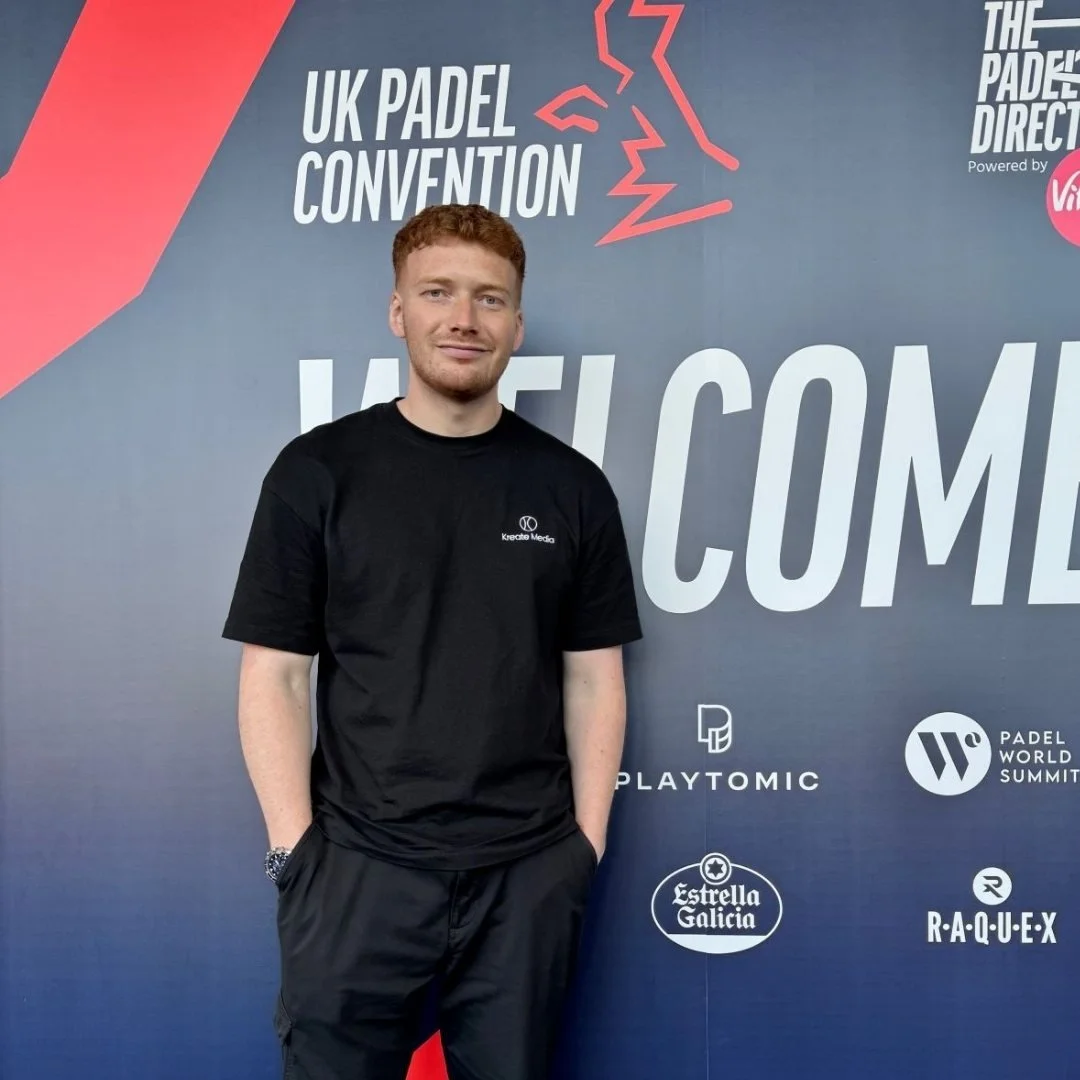
Ellis Shelley
Founder of Kreate Media, a UK sports marketing agency helping clubs, teams and fitness businesses grow through web design, SEO, content and paid ads. Works with clients across the UK and internationally.
About Ellis →
LinkedIn →
See our work →
Want help turning your club into one sponsors chase?
I work with a small number of sports clubs and teams at a time. If you'd like a hand with your marketing, here's my availability.